Blog Detail
NaijaTalk
|2026-09-14
Nigeria Suspends Parliament Engagements With South Africa
Nigeria Suspends Parliament Engagements With South Africa
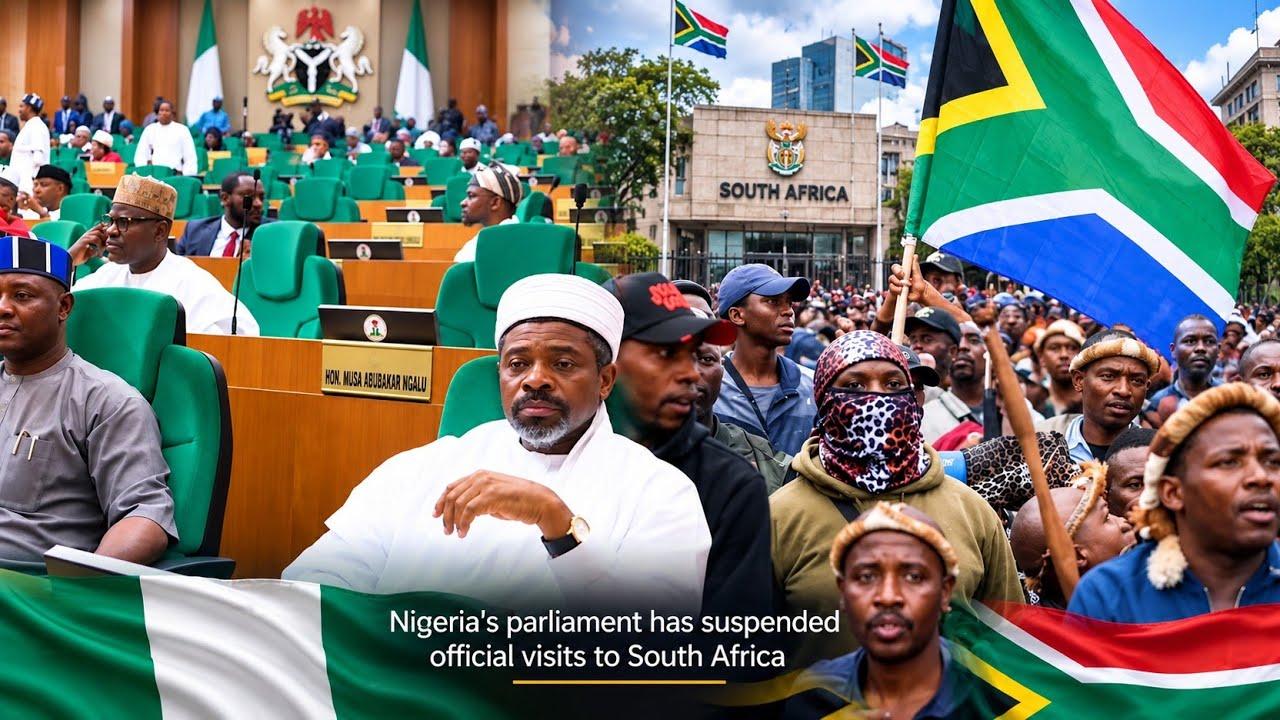
Nigeria's National Assembly has suspended all official parliamentary visits to South Africa and ordered lawmakers, committees, officials and staff to boycott South African-hosted legislative activities, citing continuing violence and attacks against Nigerians and other African migrants in the country. The directive was announced on Friday, September 11, 2026, and will remain in force until further notice. The decision followed growing concerns over the safety and welfare of Nigerians living and doing business in South Africa.
The National Assembly said it was particularly concerned by reports of Nigerians being killed, injured, displaced and forced to abandon their businesses, investments, homes and other properties as a result of recurring violent attacks. Under the directive, members of the National Assembly and parliamentary officials are prohibited from undertaking official visits to South Africa. Nigerian lawmakers are also expected to boycott legislative conferences, seminars, workshops, meetings, parliamentary exchanges and other activities hosted, organised, sponsored or co-sponsored by South African legislative institutions.
The suspension covers both physical and virtual engagements. The National Assembly's decision followed consultations between the leadership of the Senate and the House of Representatives. However, the parliamentary suspension does not amount to a complete break in diplomatic relations between Nigeria and South Africa.
The directive is specifically targeted at parliamentary engagements and does not apply to visits or meetings involving the executive branch of government. The move comes amid renewed concerns about xenophobic violence in South Africa. Anti-migrant protests and attacks have affected Nigerians and citizens of other African countries, with migrants accused by some protesters of contributing to unemployment, crime and pressure on public services.
The violence has contributed to the departure of thousands of migrants from the country. Nigeria has repeatedly raised concerns about the treatment of its citizens in South Africa. According to Nigerian officials cited by Reuters, 98 Nigerians have died in mob, hate-related and other attacks in South Africa since 2022.
The Nigerian government has also said that 1,695 Nigerians voluntarily left South Africa in 2026 amid the latest xenophobia-related tensions. The latest parliamentary action also follows reports of the deaths of two Nigerian nationals in South Africa in September. Nigeria's Foreign Ministry said James Uchechukwu Nwankwo died following alleged abuse during an encounter with South African police in Cape Town, while Bishop Taiwo Michael Fakunle was killed at his home in Johannesburg.
The circumstances surrounding the two deaths have generated further concern in Nigeria. The situation has placed additional pressure on relations between Nigeria and South Africa, two of Africa's largest economies and most influential countries. Relations between the countries have previously been strained by incidents involving xenophobic attacks, diplomatic disagreements and concerns about the treatment of Nigerian nationals in South Africa.
Despite the tensions, both governments have continued diplomatic efforts to address the situation. South African Foreign Minister Ronald Lamola visited Abuja in July, where discussions included concerns over xenophobia and the safety of Nigerians in South Africa. South African authorities have previously condemned xenophobia and said attacks against foreign nationals should not be tolerated.
The National Assembly's latest decision is therefore being viewed as a strong parliamentary response to what Nigerian lawmakers consider a continuing threat to the safety and livelihoods of Nigerian citizens abroad. By suspending parliamentary exchanges with South Africa, lawmakers are seeking to register their dissatisfaction while putting pressure on authorities to take stronger measures against attacks on foreigners. For many Nigerians, the issue goes beyond diplomatic relations because South Africa remains an important destination for Nigerian businesses, professionals, students and other migrants.
Any deterioration in relations between the two countries could therefore have consequences for citizens, trade and wider economic cooperation. The National Assembly has not announced a specific date for lifting the suspension. Parliamentary visits and participation in South African-hosted legislative activities will remain suspended until further notice, while the Nigerian government continues to engage South African authorities over the safety of Nigerians in the country.
The latest development highlights the growing pressure on both countries to find a lasting solution to xenophobic violence and ensure that Nigerians and other African nationals living in South Africa can work, conduct business and live without fear of targeted attacks.
reference: https://apnews.com/article/e6c0b25aa9ac584970cf7a1ef7cb80c0?utm_source=chatgpt.com
Subscribe To Get Updates on Our Latest Blog Post
No credit card required
0 Comments
No comments yet.
Leave Your Comment
You may also like

NaijaTalk
Subscribe