Blog Detail
NaijaTalk
|2026-11-05
Tinubu Seeks Senate Approval for $7.7 Billion Foreign Loan to Finance 2026 Budget
# Tinubu Seeks Senate Approval for $7.7 Billion Foreign Loan to Finance 2026 Budget
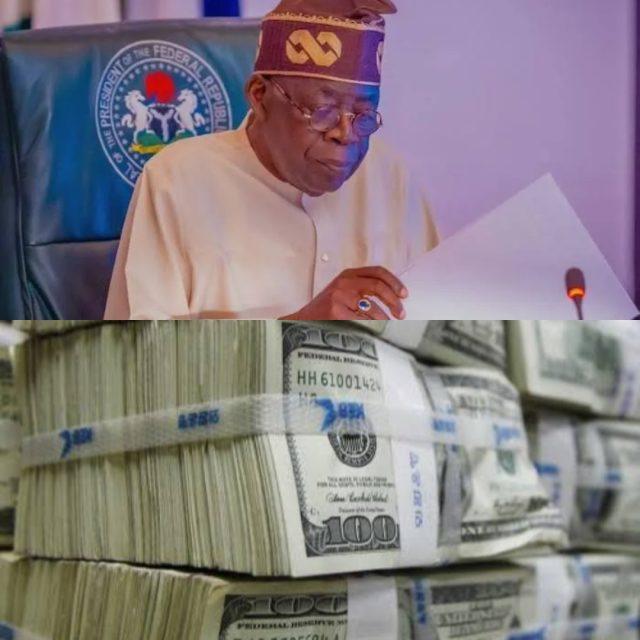
President Bola Ahmed Tinubu has asked the Nigerian Senate to approve a fresh external borrowing plan worth $7.707 billion, equivalent to approximately ₦10.79 trillion, to help finance part of the Federal Government's 2026 budget deficit. The request was contained in a letter dated October 26, 2026, which was read by Senate President Godswill Akpabio during plenary on Wednesday, November 4. The proposed borrowing is intended to support the implementation of projects and programmes captured in the 2026 Appropriation Act.
According to the President, the proposed external loan represents part of the Federal Government's approved borrowing arrangements for the 2026 fiscal year. The 2026 budget provides for approximately ₦29.2 trillion in new borrowings to help finance a budget deficit estimated at about ₦31.4 trillion. The borrowing plan consists of ₦18.4 trillion in domestic borrowing and ₦10.79 trillion in external financing.
The President explained that the government intends to raise the external component through different international financing arrangements rather than relying on a single lender. The proposed sources include loans from multilateral and bilateral institutions, commercial lenders, International Monetary Fund facilities, bridge financing arrangements and the issuance of Eurobonds. Tinubu indicated that the government would place greater emphasis on Eurobond issuance because of its relatively faster processing time and its ability to generate substantial funds under potentially competitive borrowing conditions.
However, he explained that the final interest rates, repayment periods and other conditions would depend on prevailing international market conditions when the funds are raised. The President also requested authorisation for the Minister of Finance and Coordinating Minister of the Economy, working with the Debt Management Office, to take the necessary steps to implement the borrowing arrangement. He assured lawmakers that the relevant government agencies would work towards securing the most favourable terms for Nigeria.
The proposed funds are expected to support several priority sectors, including defence and security, transportation, agriculture, electricity, education and healthcare. According to the President, these investments are important to sustaining the government's economic reform programme, improving infrastructure and supporting national development. Tinubu further explained that the foreign currency proceeds would be received by the Central Bank of Nigeria on behalf of the Federal Government.
He said the arrangement would contribute to the country's external reserves and could help support stability in the foreign exchange market and the value of the naira. The latest request also represents a significant change from an earlier external borrowing proposal submitted by the President. In October, Tinubu had sought legislative approval for external loans totalling approximately $20.52 billion and €1.045 billion under the government's 2026-2027 Supplementary External Borrowing Plan.
However, the new proposal reduces the amount being presented for approval to $7.707 billion. After reading the latest correspondence, Akpabio explained that it effectively superseded the previous request, describing the new communication as more explicit about the proposed funding arrangements and the different sources from which the government could obtain the money. The Senate President subsequently referred the request to the Senate Committee on Local and Foreign Debts for further consideration and legislative scrutiny.
The committee is expected to examine the proposal and report its findings to the Senate before further action is taken. The borrowing proposal comes amid continuing public discussions about Nigeria's rising public debt, government expenditure and the growing cost of servicing existing loans. Although successive administrations have relied on borrowing to finance infrastructure and budgetary obligations, economists and financial analysts have repeatedly stressed the importance of ensuring that borrowed funds generate sufficient economic returns.
Nigeria's ability to repay external loans remains an important consideration, particularly because foreign currency obligations can become more expensive when the naira loses value against international currencies. Higher interest rates and unfavourable exchange rate movements could also increase the financial burden on future government budgets. The Federal Government has maintained that borrowing is necessary to finance important development projects, address infrastructure gaps and support economic growth.
However, the proposed $7.7 billion facility is likely to attract further scrutiny from lawmakers, economists and Nigerians concerned about the country's debt position and the long-term implications of additional borrowing. As the Senate begins its consideration of the request, attention will focus on the proposed financing terms, the projects expected to benefit from the funds and the government's ability to manage the additional debt without placing excessive pressure on public finances.
reference: https://www.premiumtimesng.com/news/headlines/922690-tinubu-asks-nass-to-approve-new-7-7bn-loan-withdraws-previous-external-borrowing-request.html?utm_source=chatgpt.com
Subscribe To Get Updates on Our Latest Blog Post
No credit card required
0 Comments
No comments yet.
Leave Your Comment
You may also like

NaijaTalk
Subscribe