NaijaTalk
|2026-10-17
Nigerian Armwrestling Targets More Gold Medals With New Government Support
# Nigerian Armwrestling Targets More Gold Medals With New Government Support
Nigeria's armwrestling authorities have expressed renewed confidence in the country's chances of winning more international medals following the official inauguration of the Nigeria Arm Wrestling Federation's board by the National Sports Commission (NSC). The federation's president, Samuel Olatunji Jackson, says the recognition marks an important step towards expanding the sport across the country and improving Nigeria's performance at major continental competitions. The inauguration took place in Abuja on Thursday, October 15, 2026, alongside the inauguration of the boards of three other national sports federations: basketball, padel and fencing.
The ceremony formed part of efforts by the National Sports Commission to strengthen sports administration, improve accountability and provide federations with the leadership needed to develop athletes and compete successfully at national and international levels.
Jackson described the government's recognition of the federation as a major breakthrough for Nigerian armwrestling. He said the development brings greater responsibility for the newly inaugurated board, which must now focus on expanding participation, identifying young talents and creating a stronger structure for the sport throughout Nigeria.
According to the federation president, one of the board's major priorities is to establish a stronger presence across all 36 states and the Federal Capital Territory. The plan includes strengthening state associations, increasing grassroots participation and creating opportunities for young people to discover armwrestling as a competitive sport. Jackson said government backing should serve as a foundation for practical improvements rather than an achievement in itself.
He emphasised that the federation must begin work immediately to turn the recognition into better athlete development, improved organisation and stronger performances at international competitions.
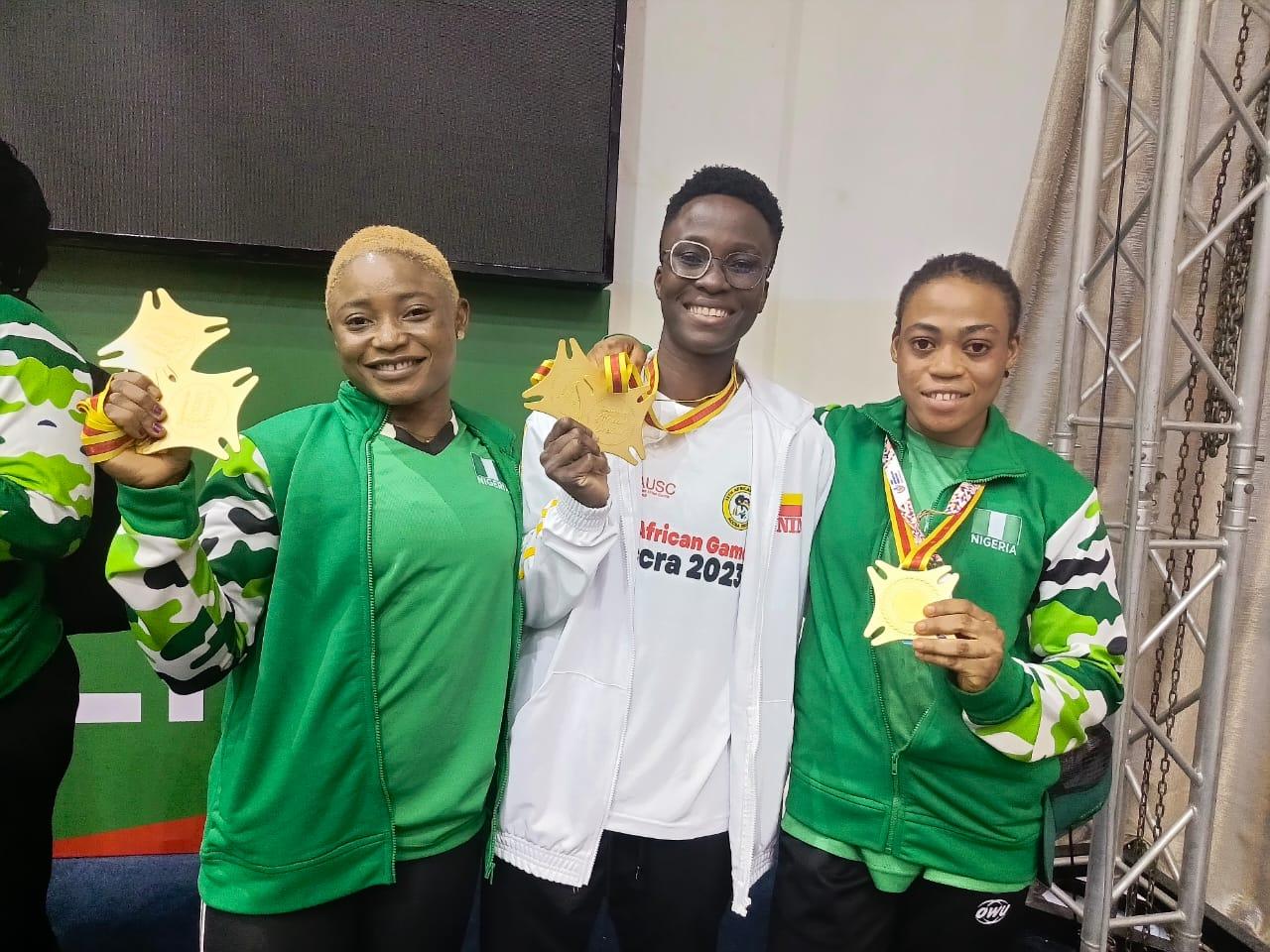
The federation has also set its sights on the next African Games in Egypt, with Jackson expressing confidence that Nigeria can win more gold medals than it secured at the previous edition. He said early preparations, adequate funding, athlete commitment and effective technical support would be essential to achieving that target.
Jackson disclosed that Nigeria had already secured qualification for the African Games, while another opportunity to obtain additional qualification was expected in Madagascar during the first quarter of 2027. The federation intends to use the available preparation period to improve athletes' readiness and strengthen the country's medal prospects. Nigeria has a strong recent record in African armwrestling.
At the 14th African Armwrestling Championship and seventh Para Armwrestling Championship, held in Abuja in July 2025, Team Nigeria finished top of the overall medal table with 101 medals. The haul comprised 28 gold, 35 silver and 38 bronze medals, placing Nigeria ahead of the competing countries. The result demonstrated the country's potential in both conventional and para-armwrestling competitions.
The performance provided a foundation for the federation's ambitions at future continental events. However, maintaining that level of success will require consistent training, effective talent identification, qualified coaches, access to appropriate equipment and adequate opportunities for athletes to compete against international opponents. Jackson has also identified athlete welfare, technical development, sponsorship and international exposure as key areas requiring attention.
These priorities are particularly important for a sport that receives less mainstream media coverage than football but offers Nigerian athletes opportunities to represent the country and win medals at continental and global events. Funding remains a challenge for the federation. In an earlier appeal reported by the News Agency of Nigeria in April 2026, the federation called on private organisations, philanthropists and sports supporters to help finance its activities.
Jackson acknowledged that government support alone would not be sufficient to meet every need, making corporate sponsorship and private-sector partnerships important to the sport's long-term development.
The National Sports Commission has urged the newly inaugurated federation boards to prioritise accountability, teamwork and measurable progress. Its Director-General, Bukola Olopade, said sports administrators must place the interests of athletes and the development of their respective sports at the centre of their responsibilities.
For armwrestling, this means building a sustainable system capable of discovering talent outside major urban centres, supporting athletes through regular competitions and preparing national teams well ahead of international championships. Stronger state associations could also help increase participation among young people and provide a clearer pathway from local competitions to national selection. The federation's plans could contribute to Nigeria's wider sports development goals by broadening the country's medal opportunities beyond its traditional strengths.
Armwrestling is accessible to a wide range of athletes, including those who may not pursue conventional team sports, and its para category provides additional opportunities for athletes with disabilities to compete internationally. Nevertheless, the federation will need to demonstrate that the new administrative support can produce measurable results. The number of athletes reached through grassroots programmes, the quality of national preparations, access to sponsorship and performances at international competitions will all be important indicators of progress.
With the African Games in Egypt approaching, the immediate priority is to ensure that Nigerian athletes have sufficient time and resources to prepare. Jackson's ambition to surpass the country's previous gold-medal tally sets a clear target for the federation's new leadership. Nigeria's recent continental success provides grounds for optimism, but sustaining that record will require careful planning and continued investment.
The federation's challenge is now to turn government recognition into stronger domestic structures, improved athlete welfare and more medals for Nigeria on the international stage.
reference: https://fmino.gov.ng/nsc-inaugurates-four-sports-federation-boards-charges-members-on-accountability-and-deligence-to-national-duty/?utm_source=chatgpt.com
Subscribe To Get Updates on Our Latest Blog Post
No credit card required
0 Comments
No comments yet.
Leave Your Comment
You may also like

NaijaTalk
Subscribe