Blog Detail
NaijaTalk
|2026-09-28
Atiku Urges Tinubu to Increase ₦70,000 Minimum Wage
Atiku Urges Tinubu to Increase ₦70,000 Minimum Wage
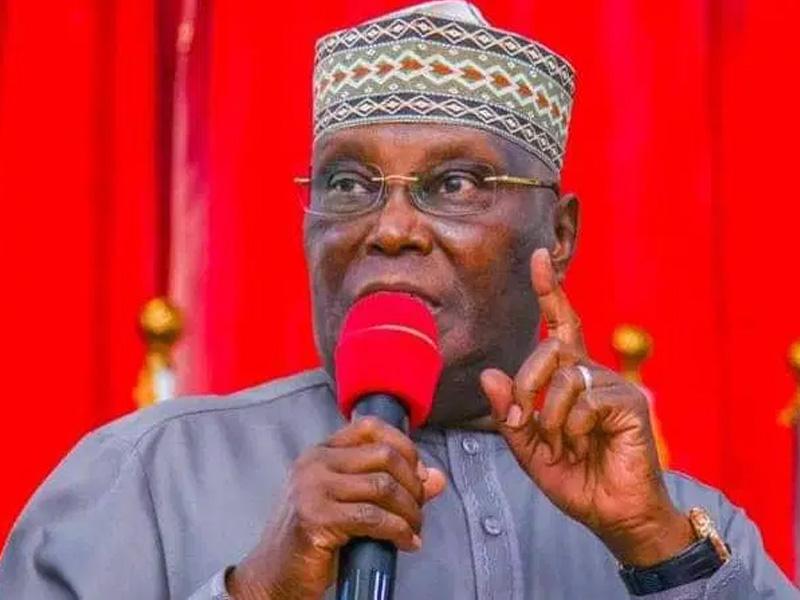
Former Vice President and African Democratic Congress (ADC) presidential candidate, Atiku Abubakar, has called on President Bola Tinubu to immediately increase Nigeria’s ₦70,000 national minimum wage, arguing that rising fuel, food, transportation, rent and energy costs have significantly reduced workers’ purchasing power. Atiku made the call in a statement issued on Sunday by Phrank Shaibu, Director of Strategic Communications of the ADC Presidential Campaign Council. His comments come amid renewed concerns over the cost of living and calls by organised labour for a review of the current wage.
Nigeria’s national minimum wage was increased from ₦30,000 to ₦70,000 in July 2024 following negotiations between the Federal Government, organised labour and private-sector representatives. President Tinubu subsequently signed the amended minimum wage bill into law on July 29, 2024. The law provides for a review of the minimum wage every three years.
Atiku argued that although the statutory wage increased by more than 130 per cent, the purchasing power of workers has been weakened by the rise in the prices of essential goods and services. He particularly pointed to the increase in petrol prices as one of the major factors affecting household finances. According to Atiku, ₦30,000 could purchase approximately 118 litres of petrol when the national average petrol price was ₦254.06 per litre in April 2023.
He said that at a petrol price of ₦1,400 per litre, the current ₦70,000 minimum wage would purchase only about 50 litres. Atiku questioned how much of the minimum wage would remain for workers after paying for transportation, food, rent and other household expenses. He argued that the increase in the nominal wage has not translated into a corresponding improvement in the purchasing power of many workers.
The former vice president also criticised the removal of the petrol subsidy, saying the resulting increase in fuel and transportation costs had affected the prices of goods and services across the economy. He argued that higher fuel costs have consequences for farmers, manufacturers, traders and households because transportation and energy expenses are reflected in the final prices consumers pay. Atiku further compared Nigeria's minimum wage with the equivalent wages in several African countries.
Using exchange rates from July 24, 2026, he cited figures of approximately ₦213,000 for Libya, ₦245,000 for Algeria, ₦302,000 for Equatorial Guinea and ₦351,000 for Gabon. He acknowledged that wage structures and living costs differ between countries but maintained that the comparison illustrated the pressure facing Nigerian workers. He therefore urged the Federal Government to agree to what he described as a substantial increase in the minimum wage that reflects current costs of food, transportation, housing and electricity.
Atiku also challenged the government to provide a clear response to organised labour's demands for improved wages. He said workers should not be left waiting through repeated meetings without a clear decision on whether the minimum wage would be reviewed. His comments come after labour leaders renewed calls for a review of the ₦70,000 wage.
The Nigeria Labour Congress has previously argued that the current wage has become inadequate because of the continued increase in the cost of goods and services. Atiku also outlined what he said would be his approach to the issue if elected president in 2027. He promised to begin work on increasing the wage floor from his first day in office and said his broader economic programme would focus on increasing domestic production and reducing the cost pressures affecting Nigerian households.
He also proposed a targeted production subsidy for petroleum products refined in Nigeria and sold to Nigerians. According to him, such support would be subject to spending limits, public accounting and independent auditing, with the stated objective of reducing the price paid by consumers. The debate over the minimum wage is taking place against the wider backdrop of Nigeria's cost-of-living pressures.
While the government has maintained that the ₦70,000 wage represented an agreement reached after extensive negotiations with labour, Atiku and labour groups are arguing that changing economic conditions require another review. For now, the statutory national minimum wage remains ₦70,000, with the law providing for a three-year review period. Atiku's latest demand has nevertheless added renewed political pressure to the debate over workers' wages, petrol prices and the broader cost of living in Nigeria.
reference: https://www.channelstv.com/2026/09/27/tinubu-has-made-life-painfully-expensive-atiku-calls-for-minimum-wage-increase/?utm_source=chatgpt.com
Subscribe To Get Updates on Our Latest Blog Post
No credit card required
0 Comments
No comments yet.
Leave Your Comment
You may also like

NaijaTalk
Subscribe