Blog Detail
NaijaTalk
|2026-09-28
CBN Cuts Interest Rate to 23% as Monetary Policy Shifts
CBN Cuts Interest Rate to 23% as Monetary Policy Shifts
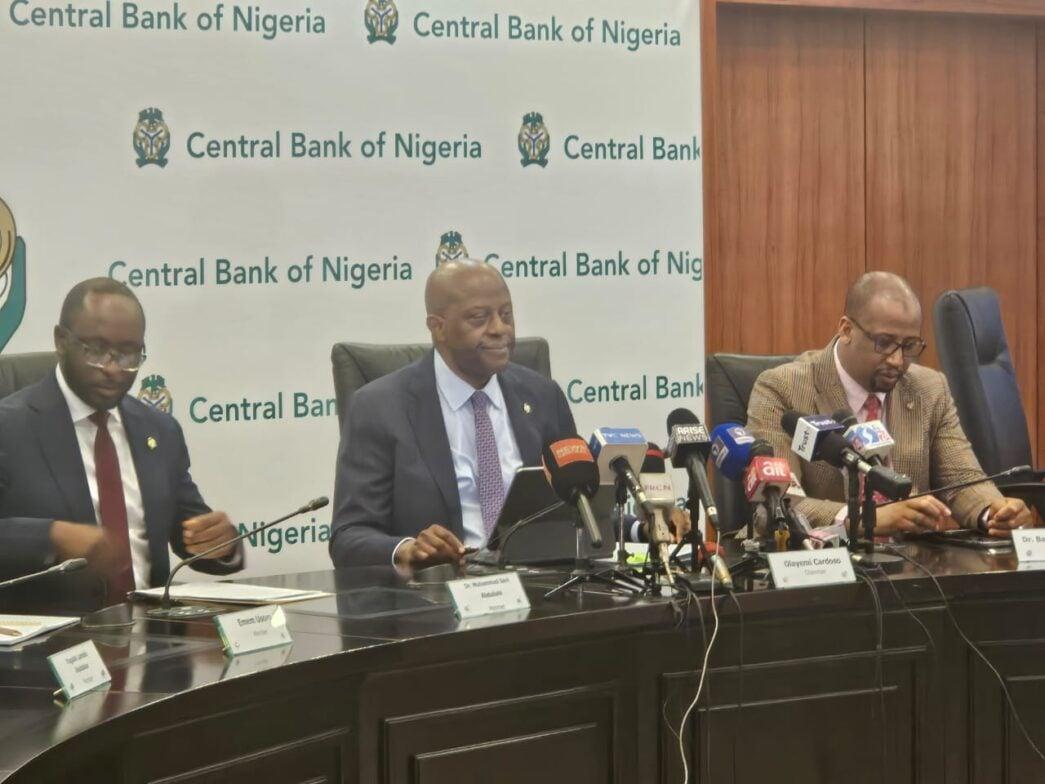
The Central Bank of Nigeria (CBN) has reduced the country’s benchmark interest rate from 26.5 per cent to 23 per cent, cutting the Monetary Policy Rate (MPR) by 350 basis points. The decision was announced by CBN Governor Olayemi Cardoso on Tuesday, September 22, 2026, after the conclusion of the 307th meeting of the Monetary Policy Committee (MPC) in Abuja. The reduction represents the largest cut in the current monetary policy cycle.
The CBN had previously lowered the MPR by 50 basis points, from 27 per cent to 26.5 per cent, in February 2026. The rate was subsequently maintained at 26.5 per cent during the MPC meetings held in May and July before the latest reduction. According to the CBN, the MPC reviewed developments in the domestic and global economies, emerging risks and the effectiveness of existing monetary policy measures before deciding to reset the MPR at 23 per cent.
The bank said the adjustment was intended to improve the transmission of monetary policy and support its transition towards an inflation-targeting framework. Alongside the reduction in the MPR, the CBN also changed the Standing Facilities Corridor to +50 and -300 basis points around the new policy rate. The Cash Reserve Requirement was retained at 45 per cent for deposit money banks, 16 per cent for merchant banks and 75 per cent for non-Treasury Single Account public sector deposits.
The decision comes amid changes in Nigeria's inflation and foreign exchange environment. Reports on the MPC decision said moderating inflation and improved conditions in the foreign exchange market provided room for the central bank to reduce the benchmark rate. The rate cut could have implications for businesses and consumers because the MPR serves as an important signal for interest rates across the financial system.
If commercial banks transmit the reduction to their lending rates, businesses could potentially have access to cheaper credit for working capital, expansion, equipment and other investments. However, the reduction in the MPR does not automatically mean that bank loan rates will fall by the same 3.5 percentage points. The Manufacturers Association of Nigeria has warned that the impact could remain limited if commercial lending rates stay around 27 to 30 per cent.
The association has called for lower lending costs so that businesses can benefit more directly from the CBN's decision. The Lagos Chamber of Commerce and Industry has similarly called for stronger transmission of the rate reduction to the real economy, particularly through cheaper and more accessible credit for businesses. The concern is that a lower benchmark rate will have limited effect on production and investment if companies continue to face high borrowing costs.
For households, the impact could also depend on how quickly banks adjust their lending rates. Lower borrowing costs could eventually make some forms of consumer credit and housing finance more accessible, although mortgage and other lending rates are determined by several factors beyond the CBN's benchmark rate. The CBN Governor has also stressed that the decision should not simply be interpreted as an abandonment of a restrictive monetary policy stance.
The central bank has described the adjustment as an operational reset designed to improve monetary policy transmission and strengthen the role of the MPR as its main policy signal. The latest decision therefore marks an important development in Nigeria's monetary policy in 2026. The key issue going forward will be whether the lower benchmark rate translates into reduced lending costs, increased private-sector credit and stronger economic activity while the CBN continues to monitor inflation and other economic risks.
For now, the official position is clear: Nigeria's Monetary Policy Rate stands at 23 per cent, down from 26.5 per cent, while the CBN has retained existing cash reserve requirements for banks.
reference: https://punchng.com/breaking-cbn-cuts-interest-rate-to-23-at-mpc-meeting/?utm_source=chatgpt.com
Subscribe To Get Updates on Our Latest Blog Post
No credit card required
0 Comments
No comments yet.
Leave Your Comment
You may also like

NaijaTalk
Subscribe