Blog Detail
NaijaTalk
|2026-09-27
Nigeria’s Public Debt Rises to ₦166.79 Trillion as Atiku Demands Full Account
# Nigeria’s Public Debt Rises to ₦166.79 Trillion as Atiku Demands Full Account
Nigeria’s total public debt rose to **₦166.79 trillion as of June 30, 2026**, according to the latest figures released by the Debt Management Office. The new figure represents an increase of **₦7.44 trillion** from the ₦159.35 trillion recorded at the end of March 2026. The DMO published the latest debt data on September 25.
The latest debt stock comprises **₦91.59 trillion in domestic debt** and **₦75.20 trillion in external debt**. In dollar terms, the total public debt was valued at approximately **$120.93 billion**, with the external component converted using the Central Bank of Nigeria’s exchange rate of ₦1,379.1842 to the dollar as of June 30, 2026. The Federal Government accounts for the largest share of the country's debt.
According to the DMO figures, the Federal Government's debt stood at approximately **₦152.77 trillion**, consisting of ₦86.99 trillion in domestic debt and ₦65.77 trillion in external debt. The 36 states and the Federal Capital Territory accounted for approximately **₦14.01 trillion**. Within the Federal Government's domestic debt portfolio, government bonds remained the largest component at about **₦64.84 trillion**.
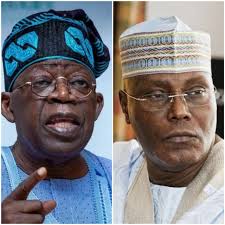
Nigerian Treasury Bills followed with approximately **₦19.48 trillion** outstanding as of June 30, while other instruments included Sukuk, promissory notes, savings bonds and green bonds. The increase in the debt stock has renewed public discussion about Nigeria's borrowing, debt servicing and the country's ability to generate enough revenue to meet its obligations while funding essential services and development projects. Former Vice-President **Atiku Abubakar** has called on President Bola Tinubu's administration to provide Nigerians with a detailed reconciliation of the country's debt.
Atiku made the demand in a statement issued by Phrank Shaibu, Director of Strategic Communications of the African Democratic Congress Presidential Campaign Council. Atiku compared the latest figure with Nigeria's public debt of **₦49.85 trillion in March 2023**, before Tinubu assumed office. He argued that Nigerians should be given a clear breakdown showing which obligations were inherited, which were newly recorded, the effect of exchange-rate movements on foreign debt and the amount of genuinely new borrowing since 2023.
He also raised questions about the **₦22.71 trillion Ways and Means advances** that were securitised and incorporated into the country's debt stock from June 2023. Atiku said the government should clearly explain how such obligations contributed to the current debt figure. Another issue raised by the former vice-president was the country's outstanding Treasury Bills.
The DMO reported that Nigerian Treasury Bills stood at **₦19.48 trillion** as of June 30, 2026. Atiku called for a reconciliation showing which bills had matured, which had been redeemed, which had been rolled over and which represented genuinely new borrowing. Atiku also questioned **$39.25 million classified as "other charges"** in the DMO's second-quarter 2026 external debt-service records.
According to the report cited in his statement, the amount included **$22.5 million linked to a First Abu Dhabi Bank Total Return Swap** and approximately **$8.97 million associated with Deutsche Bank AG**. He called for details of the transactions, including the original facilities, amounts drawn, outstanding obligations and supporting documentation. The former vice-president also criticised the economic hardship experienced by Nigerians, pointing to higher costs of food, transportation, electricity and other essential goods and services.
He questioned why borrowing continued despite increased government revenues and called for greater transparency over how borrowed funds were being used. These are Atiku's political criticisms of the administration and are not independent findings by the DMO. The debt debate comes as the government continues to defend its broader economic reforms, including changes to fuel subsidies and foreign-exchange policy.
The International Monetary Fund has said Nigeria's macroeconomic outcomes had improved following the reforms, while also noting that economic conditions remained difficult for many Nigerians. The size of Nigeria's public debt does not, by itself, show whether individual borrowing has been productive or sustainable. The impact depends on factors including the cost of servicing the debt, government revenue, economic growth, the terms of the loans and how borrowed funds are ultimately spent.
With the public debt now standing at **₦166.79 trillion**, scrutiny of Nigeria's borrowing strategy and debt management is expected to continue. The latest DMO figures provide the official snapshot of the country's debt position as of June 30, while the political debate centres on the reasons for the increase, the use of borrowed funds and the ability of the government to meet future repayment obligations.
reference: https://punchng.com/topics/news/?utm_source=chatgpt.com
Subscribe To Get Updates on Our Latest Blog Post
No credit card required
0 Comments
No comments yet.
Leave Your Comment
You may also like

NaijaTalk
Subscribe