NaijaTalk
|2026-10-10
NAFDAC Warns Nigerians Against Sharing Viral Fake Products List
# NAFDAC Warns Nigerians Against Sharing Viral Fake Products List
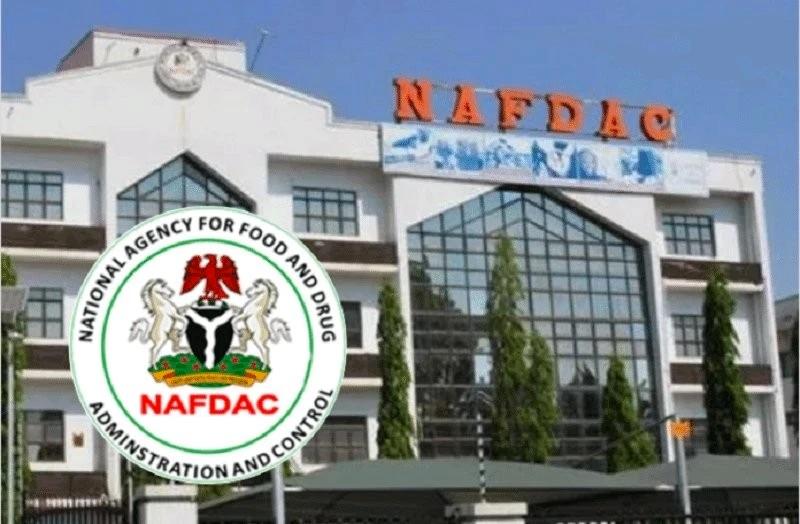
The National Agency for Food and Drug Administration and Control (NAFDAC) has warned Nigerians against circulating a viral social media list claiming to identify fake, adulterated and substandard products in the country. The agency said the list did not originate from it and should not be treated as an official product alert or safety warning. In a statement reported on October 8 and 9, 2026, NAFDAC clarified that the circulating publication was unauthorised and urged members of the public to disregard it rather than continue sharing it online.
The agency explained that the list could mislead consumers into believing that every product mentioned had been officially declared counterfeit or unsafe.
The warning follows widespread circulation of screenshots and messages on social media claiming that several products sold in Nigerian markets were fake, adulterated or below the required quality standards. The claims have raised concerns among consumers, particularly because some of the products mentioned are familiar household brands and commonly used medicines, foods, beverages and personal-care items.
NAFDAC stressed that it does not declare products fake, adulterated or unsafe without following established regulatory procedures. These procedures include investigations, the collection of product samples and, where necessary, scientific and laboratory testing to determine whether a product meets the required standards. According to the agency, the appearance of a product's name or photograph on a social media list does not, by itself, establish that the product is counterfeit or unsafe.
NAFDAC said its official regulatory notices are based on verifiable findings and should provide relevant details about the affected product, including specific batches where applicable, as well as the action consumers and other stakeholders should take. The agency also warned that the circulation of unverified allegations could cause unnecessary public anxiety and damage the reputation and commercial interests of legitimate manufacturers, distributors and retailers. It noted that consumers might stop purchasing safe, properly regulated products because of misleading claims, while businesses could suffer financial losses from allegations that have not been substantiated.
NAFDAC explained that different regulatory situations must not be confused. A counterfeit product is one deliberately misrepresented as genuine, while an adulterated product has been improperly altered or contaminated. A substandard product fails to meet applicable quality specifications, and an unregistered product lacks the required registration for lawful marketing.
A recalled product, meanwhile, is withdrawn from the market for a specified safety or quality reason. These distinctions are important because a regulatory warning may apply only to a particular batch, size, packaging type, variant or geographical market. It does not automatically mean that every product sold under the same brand is fake or unsafe.
The agency has previously issued genuine alerts involving counterfeit medicines, imitation beverages, falsified registration numbers and products recalled over quality concerns. However, those notices were issued at different times and under different circumstances. Combining them into a single list without the original explanations can give consumers a misleading impression of the agency's findings.
NAFDAC reaffirmed its commitment to protecting public health through market surveillance, product testing, investigations and enforcement action against businesses or individuals found to be manufacturing, importing or distributing products that violate regulatory requirements. Where evidence establishes that a product poses a risk, the agency may issue an official alert, order a recall or withdrawal, or take other appropriate enforcement measures. The agency urged Nigerians to obtain information about product recalls, safety alerts, withdrawals, suspensions and other regulatory actions directly from its official communication channels.
Consumers were also encouraged to report suspected counterfeit, adulterated or substandard products so that the complaints could be investigated. Healthcare professionals, manufacturers, distributors and retailers were similarly advised to verify regulatory information before sharing it with customers or the wider public. NAFDAC said reports of suspected unsafe products could provide valuable information for its surveillance work, but allegations must be properly investigated before definitive conclusions are reached.
For consumers, the agency's warning highlights the importance of checking product labels, packaging, batch numbers, expiry dates and registration details when purchasing regulated products. Consumers should also be cautious about buying medicines, foods and cosmetics from unverified sellers, particularly when packaging appears tampered with or product information is inconsistent. Where a product is specifically named in an official NAFDAC alert, consumers should follow the instructions in that notice rather than relying on general claims circulated through WhatsApp, Facebook, TikTok or other platforms.
Anyone who suspects that a product is counterfeit or unsafe should report it to the agency for assessment. The latest warning does not mean that counterfeit and substandard products are not a problem in Nigeria. Rather, NAFDAC is emphasising that public safety information must be accurate, properly verified and communicated with enough detail to help consumers make informed decisions.
The agency has therefore urged Nigerians to stop circulating the viral list as an official NAFDAC publication and to rely on verified regulatory announcements when assessing the safety and authenticity of products sold in the country.
reference: https://thesun.ng/nafdac-warns-nigerians-against-sharing-viral-list-of-alleged-fake-products/
Subscribe To Get Updates on Our Latest Blog Post
No credit card required
0 Comments
No comments yet.
Leave Your Comment
You may also like

NaijaTalk
Subscribe