Blog Detail
NaijaTalk
|2026-09-01
ECOWAS Vows to Keep Engaging Mali, Burkina Faso and Niger
# ECOWAS Vows to Keep Engaging Mali, Burkina Faso and Niger
The Economic Community of West African States (ECOWAS) has reaffirmed its commitment to maintaining engagement with Mali, Burkina Faso and Niger despite the three countries' formal withdrawal from the regional bloc. The renewed commitment was made by the newly inaugurated President of the ECOWAS Commission, General Birame Diop, who said the organisation would continue to pursue cooperation with the three Sahel countries. Diop made the remarks during his formal inauguration alongside the new management of the ECOWAS Commission in Abuja.
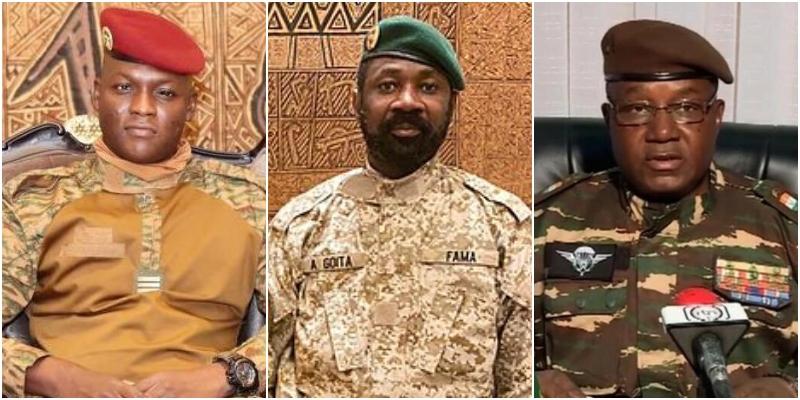
Mali, Burkina Faso and Niger formally ceased to be members of ECOWAS on January 29, 2025, after announcing their intention to withdraw from the organisation in January 2024. The three military-led governments had accused ECOWAS of imposing what they considered excessive sanctions and pursuing policies that undermined their sovereignty. Following their withdrawal, the three countries strengthened their cooperation through the Alliance of Sahel States, also known as the AES.
The alliance was established by Mali, Burkina Faso and Niger as a political and security partnership and has increasingly developed as an alternative framework for cooperation outside ECOWAS. Despite the split, ECOWAS has repeatedly maintained that the three countries remain important to the future of West Africa. The regional organisation has continued to advocate dialogue rather than complete isolation, particularly because of the close economic, security and social ties linking the Sahel countries with their former ECOWAS neighbours.
The bloc's position reflects the reality that the withdrawal of the three countries has created significant challenges for regional integration. Mali, Burkina Faso and Niger share borders and extensive trade, migration and security connections with several ECOWAS member states. The departure has also created concerns about regional security cooperation.
The three countries are located in the Sahel, a region that continues to face serious threats from armed groups linked to al-Qaeda and Islamic State. Their security situation has implications for neighbouring countries, including Nigeria, Benin, Togo and Ghana. The issue has become even more significant following recent instability in Niger.
On August 29, 2026, mutinous soldiers launched attacks on strategic locations in Niamey, including the airport and areas around the presidential palace. Niger's authorities later regained control, with assistance from Russian Africa Corps personnel. The attempted mutiny highlighted the security pressures facing Niger and the wider Sahel region.
It also underscored the importance of maintaining communication between West African states despite political differences and competing regional alliances. ECOWAS has previously initiated arrangements for post-exit dialogue with Mali, Burkina Faso and Niger. When their withdrawal became effective in January 2025, the regional bloc said it would continue discussions with the three former members over future relations and arrangements.
The three countries' departure has nevertheless changed the structure of ECOWAS. The regional bloc now has 12 member states, while Mali, Burkina Faso and Niger operate under the separate Alliance of Sahel States. ECOWAS itself officially recognises that the three countries are no longer members.
The decision by the new ECOWAS leadership to continue engagement therefore signals an attempt to prevent political differences from developing into a permanent regional divide. Cooperation could be particularly important in areas such as trade, border management, migration, security and the movement of people. Regional integration remains one of ECOWAS's central objectives, and the organisation faces pressure to preserve economic cooperation even as political relations with the AES countries remain strained.
The three Sahel governments, meanwhile, have increasingly promoted the Alliance of Sahel States as a framework for their political, economic and security cooperation. They have also strengthened ties with countries and partners outside the traditional Western and ECOWAS sphere. The growing divide between ECOWAS and the AES has raised questions about the future of West African integration.
Analysts have warned that a fragmented regional security architecture could make it more difficult to coordinate responses to armed groups operating across national borders. For ECOWAS, continued engagement offers a way to keep diplomatic channels open while avoiding further deterioration in relations. It could also provide opportunities for practical cooperation on issues that affect citizens regardless of political boundaries.
The latest position from Diop comes as ECOWAS begins a new phase under its incoming leadership. The organisation is expected to focus on strengthening regional integration, addressing insecurity and rebuilding confidence among member states and neighbouring countries. The message from the ECOWAS Commission is therefore that the withdrawal of Mali, Burkina Faso and Niger does not mean the end of regional dialogue.
Despite the political disagreements that led to their departure, ECOWAS says cooperation with the three Sahel nations remains necessary for the stability and future of West Africa. As security threats continue to spread across the Sahel and political divisions reshape regional alliances, the ability of ECOWAS and the AES countries to maintain communication could become increasingly important. For millions of West Africans whose lives and livelihoods depend on cross-border trade, travel and security, maintaining practical cooperation may remain more important than the political differences separating the two regional blocs.
reference: https://pmnewsnigeria.com/?utm_source=chatgpt.com
Subscribe To Get Updates on Our Latest Blog Post
No credit card required
0 Comments
No comments yet.
Leave Your Comment
You may also like

NaijaTalk
Subscribe