Blog Detail
NaijaTalk
|2026-10-19
Plateau Records 11,000 Tuberculosis Cases as Officials Warn of Drug Shortages
# Plateau Records 11,000 Tuberculosis Cases as Officials Warn of Drug Shortages
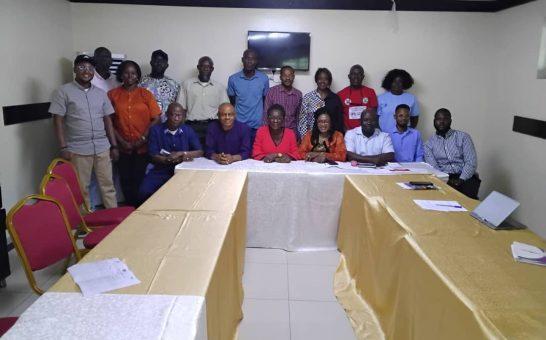
Plateau State has recorded an estimated 11,000 tuberculosis (TB) cases in 2026, raising concerns about the spread of the infectious disease, access to treatment and the challenges facing public health authorities. Health officials have also warned that shortages of anti-tuberculosis medicines and misconceptions about the disease could undermine efforts to control its spread. The figures were disclosed by Yohanna Bot, Monitoring and Evaluation Officer of the Plateau State Tuberculosis and Leprosy Control Programme, during a media-focused advocacy meeting held in Jos on Sunday, October 18, 2026.
The meeting was organised under the Global Fund AIDS, Tuberculosis and Malaria Integrated Community-Led Monitoring Project. According to Bot, the estimated disease burden is based on a prevalence rate of 219 cases per 100,000 people. He said health workers identified and placed 2,047 patients on treatment between July and September 2026, following a quarterly survey conducted across the state.
Bot explained that the patients identified during the survey were receiving treatment at various health centres. He described tuberculosis as a major public health challenge and called for stronger efforts to identify infections early, improve access to healthcare and educate residents about the disease. ## Overcrowding and Poor Nutrition Increase Risks
Bot said tuberculosis spreads through the air and can affect people who inhale infectious particles released by someone with the disease.
He identified overcrowding, malnutrition and weakened immune systems among the factors that increase the risk of transmission and serious illness. Children under five, older people and individuals living with HIV are particularly vulnerable because their immune systems may be less able to fight infections. People who live or work in crowded environments may also face greater exposure, especially when ventilation is poor and infected individuals remain undiagnosed or untreated.
The official said insecurity and displacement had made tuberculosis detection and control more difficult in parts of Plateau State, particularly Mangu, Jos South and Barkin Ladi local government areas. Violence in these areas has forced some residents to leave their homes and seek shelter in internally displaced persons' camps. According to Bot, overcrowding in displacement camps can increase the risk of transmission and make it more difficult for health workers to reach people who need screening and treatment.
To address the problem, the state programme is prioritising community outreach and active screening in displacement camps and correctional centres. The approach is intended to identify people with possible infections, ensure they receive appropriate testing and connect confirmed cases with treatment services. ## Stigma and Misconceptions Delay Treatment
Health officials have identified stigma and misinformation as additional obstacles to controlling tuberculosis in Plateau State.
Bot said some residents continued to attribute the disease to spiritual or ritual causes rather than recognising it as an infectious illness that requires medical attention. Such beliefs can discourage people from visiting health facilities when symptoms first appear. Delayed diagnosis can allow the disease to progress and increase the risk of transmission to family members and other people in close contact with an infected person.
Tuberculosis commonly affects the lungs, although it can also affect other parts of the body. Symptoms may include a persistent cough, chest pain, fever, night sweats, fatigue, weight loss and loss of appetite. Anyone experiencing symptoms suggestive of tuberculosis should seek assessment at a qualified health facility rather than rely on unproven remedies.
The disease is preventable and treatable. However, patients need the correct medicines and must complete the prescribed treatment course to achieve recovery and reduce the risk of drug resistance. Bot said patients receiving effective treatment could become non-infectious within approximately two weeks.
The time required varies according to the patient's condition, the effectiveness of the treatment and whether drug resistance is present. Patients should follow the advice of their healthcare providers and continue treatment for the full prescribed period. ## Officials Raise Concern Over Anti-TB Drug Shortages
Despite ongoing screening and treatment efforts, Bot raised concerns about shortages of anti-tuberculosis medicines in the state.
He attributed the gaps partly to supply chain disruptions and the programme's heavy reliance on international assistance, particularly funding and support from the Global Fund. Drug shortages can interrupt treatment and make it harder for healthcare providers to maintain consistent services for patients. Interruptions in tuberculosis treatment can also increase the risk of treatment failure and drug resistance, making the disease more difficult and expensive to manage.
The concerns have renewed calls for more reliable medicine procurement, stronger supply chains and greater domestic investment in tuberculosis control. Health officials and community advocates say sustained funding is needed to ensure that patients can access diagnosis, treatment and follow-up services without unnecessary delays. Bot urged residents to seek medical care when they suspect they may have tuberculosis and encouraged community leaders to help counter misinformation and discrimination.
He stressed that public awareness is essential to encouraging early diagnosis and ensuring that people living with the disease receive support rather than stigma. ## Community-Led Monitoring Seeks to Improve Healthcare
Peter Ezekiel, Plateau State Programme Officer for the Global Fund AIDS, Tuberculosis and Malaria Integrated Community-Led Monitoring Project, also spoke at the meeting. He highlighted the importance of involving communities in identifying weaknesses in healthcare delivery and holding service providers and authorities accountable.
Ezekiel said community-led monitoring enables residents, civil society organisations and other stakeholders to identify barriers to accessing healthcare, including discrimination, stigma, gender-related challenges and inadequate infrastructure. The approach also encourages communities to advocate better funding and improved health services. He said the initiative had supported several interventions in Plateau State, including repairs to toilet facilities at the Primary Health Centre in Rantya, Jos South.
Community stakeholders had also donated medical equipment and furniture to health facilities, including a scanning machine and chairs to the Primary Health Centre in Gangare, Jos North, and blood pressure monitoring equipment to the facility at Dogon Agogo. Other reported interventions included the donation of hospital bed mattresses to the Primary Health Centre in Pushit, the provision of tuberculosis sputum collection cups to the COCIN Rehabilitation Centre in Mangu Local Government Area and the supply of 500 patient enrolment forms through community efforts. Ezekiel also cited an initiative in Lamingo, where residents mobilised resources to engage security personnel to protect night-shift staff and property at the local primary health centre.
The community reportedly agreed to pay ₦15,000 monthly for the arrangement. He said these activities had contributed to improved infection prevention, better patient experiences and stronger community participation in healthcare delivery. ## Calls for Better Funding and Wider Health Insurance
Ezekiel called for stronger collaboration among government agencies, healthcare workers, civil society organisations and community leaders to improve disease prevention, diagnosis and treatment.
He also urged the expansion of national and state health insurance programmes to cover vulnerable residents, particularly low-income earners who may struggle to afford medical services. He stressed the importance of adequate funding for primary healthcare facilities and greater accountability in the management of public health resources. According to him, community participation can help identify gaps and encourage authorities to respond to the practical needs of patients.
Dr Yakubu Izang, Director of Disease Control and Immunisation at the Plateau State Primary Health Care Board, also supported the community-led monitoring approach. He said it could reveal challenges that might otherwise go unnoticed and help government agencies and communities develop practical solutions. The discussion highlighted the connection between tuberculosis control and the wider strength of the healthcare system.
Effective screening, consistent access to medicines, trained health workers, functional facilities and public awareness all play important roles in reducing the burden of the disease. ## Public Awareness Remains Critical
The estimated 11,000 cases reported in Plateau State underscore the need for continued attention to tuberculosis prevention and treatment. Although 2,047 patients were identified and placed on treatment between July and September, health officials face continuing challenges involving stigma, displacement, overcrowding and medicine availability.
Authorities and community organisations are therefore being urged to strengthen active case finding, expand access to testing, ensure uninterrupted treatment and provide accurate information about how tuberculosis spreads and can be treated. For residents, the key message is to seek medical attention promptly when symptoms develop, support people receiving treatment and avoid spreading misinformation about the disease. For policymakers, the figures highlight the importance of sustained funding, reliable medicine supplies and healthcare services that can reach vulnerable communities.
Tuberculosis remains a preventable and curable disease, but controlling its spread requires early diagnosis, appropriate treatment and cooperation between health authorities and the public. The effectiveness of Plateau State's response will depend on whether these services can be delivered consistently to the people who need them most. **Sources:** Vanguard, October 18, 2026; Anadolu Agency, October 19, 2026; The Sun Nigeria, October 18, 2026.
reference: https://www.vanguardngr.com/2026/10/plateau-records-11000-tb-cases-in-2026/?utm_source=chatgpt.com
Subscribe To Get Updates on Our Latest Blog Post
No credit card required
0 Comments
No comments yet.
Leave Your Comment
You may also like

NaijaTalk
Subscribe