Blog Detail
NaijaTalk
|2026-10-08
Obasanjo Calls for Forgiveness as Asaba Remembers 1967 Massacre
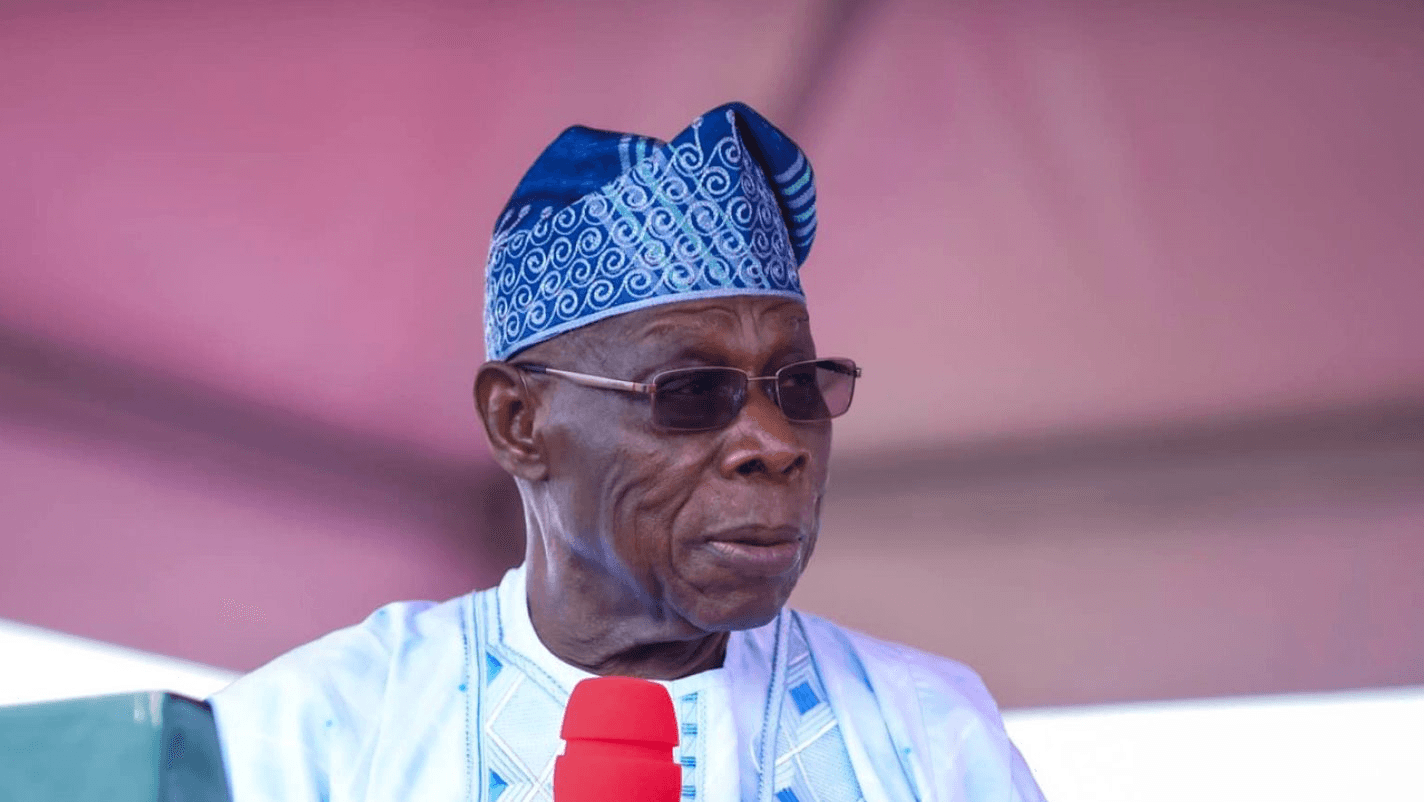
Former President Olusegun Obasanjo has called on survivors and families of victims of the 1967 Asaba Massacre to embrace forgiveness and reconciliation, as the community marked the 59th anniversary of the tragedy. Obasanjo made the appeal virtually on Wednesday while serving as chairman of the occasion at a memorial ceremony held in Asaba, Delta State. He described the massacre as one of the most painful and terrible episodes of the Nigerian Civil War.
The former president said he was deeply moved after receiving documents about the massacre from Chuks Nduka-Eze, the convener of the Asaba Massacre Memorial. He said he wept after reading the documents and expressed sadness that such an event happened in Nigeria during his lifetime. “To all of you assembled: let us keep one thing in mind, forgiveness, forgiveness, and forgiveness again,” Obasanjo said, urging the people of Asaba to forgive and work towards reconciliation.
He also stressed the importance of remembering the tragedy and learning from it to prevent similar incidents from happening again. The Asagba of Asaba, Professor Epiphany Azinge, agreed that forgiveness was necessary but said it should not mean forgetting what happened or abandoning the community’s demand for official acknowledgement and accountability. “We may not forget, but certainly, we have to forgive,” Azinge said.
He insisted, however, that there would be no full closure or healing for the community until a sitting Nigerian president publicly apologised to the people of Asaba. The traditional ruler noted that former military Head of State Yakubu Gowon had apologised over the killings after leaving office, but said the community was seeking an apology from a serving president. Azinge also questioned Obasanjo’s call for a “never again” approach by referring to the Odi killings that occurred during Obasanjo’s administration.
He said the people of Asaba had moved forward but would continue to remember the victims and seek justice and reconciliation. Despite his demand for a presidential apology, the Asagba made a significant gesture towards reconciliation by publicly declaring that the Asaba community had forgiven the family of Colonel Ibrahim Taiwo, who was associated with the military operation during the massacre. The monarch said the community had accepted an apology from retired Major-General Ahmed Taiwo, son of Colonel Taiwo.
Ahmed Taiwo had expressed regret and apologised on behalf of his father and family for any act, omission or commission that contributed to the tragedy. The Asaba Massacre occurred between October 5 and 7, 1967, during the Nigerian Civil War. Civilians in Asaba, many of them Igbo, were killed during the military operation by troops of the Nigerian Army’s Second Infantry Division.
Researchers and community historians have estimated that more than 1,000 people died, although estimates of the death toll have varied. Delta State Governor Sheriff Oborevwori, represented at the memorial by the Secretary to the State Government, Kingsley Emu, condemned the killing of unarmed civilians and said the state would continue supporting efforts to secure national recognition of the massacre and establish a fitting memorial. The governor also disclosed that the Federal Government was expected to make a formal reconciliation declaration over the tragedy.
He said official acknowledgement by the relevant governments was important to the reconciliation process and expressed hope that Nigeria would formally recognise the massacre.
reference: https://allafrica.com/stories/202610080495.html
Subscribe To Get Updates on Our Latest Blog Post
No credit card required
0 Comments
No comments yet.
Leave Your Comment
You may also like

NaijaTalk
Subscribe