Blog Detail
NaijaTalk
|2026-09-12
FG Targets 2 Million Creative Industry Jobs by 2030
# FG Targets 2 Million Creative Industry Jobs by 2030
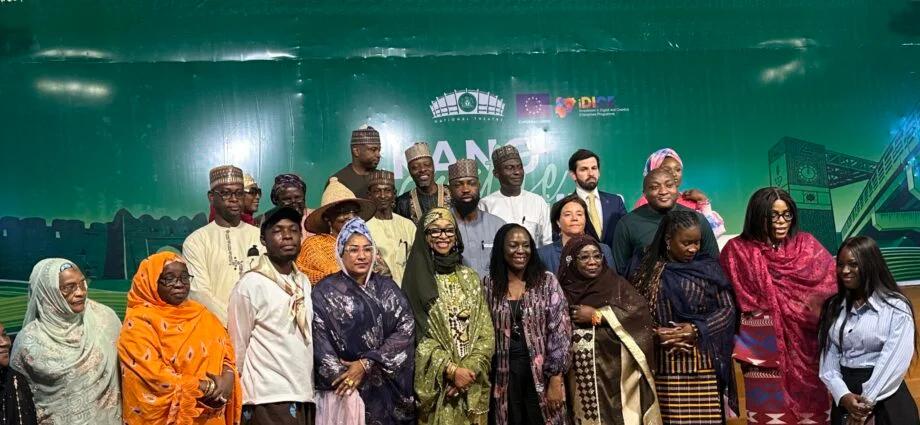
The Federal Government has set a target of creating **two million jobs in Nigeria’s creative industry by 2030**, as part of efforts to make the sector a stronger contributor to economic growth, employment and national development. The Minister of Art, Culture, Tourism and Creative Economy, **Hannatu Musa Musawa**, announced the target on Friday, September 11, 2026, during the closing of the **2026 Kano Creative Summit**. The summit was organised by the National Theatre to strengthen Nigeria’s creative economy and provide practitioners with skills needed to build sustainable businesses.
([News Agency of Nigeria][1])
According to the minister, the Federal Government is integrating the creative sector into its broader economic framework through President Bola Tinubu’s **Renewed Hope Agenda** and the **Destination Nigeria initiative**. The government sees the creative economy as an important avenue for job creation, entrepreneurship and economic diversification. Musawa specifically highlighted Kano’s significant cultural and creative heritage, noting that the state has several industries and traditions with the potential to generate employment and attract investment.
These include **Kofar Mata indigo dyeing, leatherwork, weaving, blacksmithing, embroidery and Kannywood**, the Hausa-language film industry. The minister also pointed to the international recognition of Kano’s cultural heritage. The state’s traditional **Kofar Mata indigo dyeing** was added to UNESCO’s Representative List of the Intangible Cultural Heritage of Humanity in December 2024, a development that demonstrated the potential for Nigeria’s traditional industries to gain international visibility and create economic opportunities.
([Primepost][2])
The government’s strategy goes beyond traditional arts and entertainment. Nigeria’s creative economy covers a wide range of activities, including **film and television, music, fashion and textiles, photography, advertising, digital marketing, gaming, software development, publishing, performing arts, contemporary art, gastronomy and architecture**. ([FMACCE][3])
Musawa urged people working in the creative sector to approach their activities as businesses and take steps to professionalise their operations.
She advised practitioners to register their businesses, protect their intellectual property, understand the cost of their projects and keep personal finances separate from business finances. She also called for stronger professional associations and collective bargaining arrangements to help creatives improve their negotiating power and protect their interests within the industry. ([Primepost][2])
The minister further advocated the revival of important cultural sites, including **Kofar Mata**, while encouraging community-based training programmes that can transfer traditional skills and knowledge from older generations to younger Nigerians.
Participants at the Kano summit also identified several challenges that could affect the growth of the creative industry. These include limited access to funding, inadequate skills development, weak infrastructure, intellectual property concerns, limited access to technology and difficulties connecting Nigerian creative products with international markets. Panelists at the event called for increased government intervention through **grants, loans, professional training and institutional support**.
They also stressed the importance of using digital platforms to promote Northern Nigerian creativity and cultural identity to audiences within Nigeria and around the world. ([Primepost][2])
The call for stronger investment in the creative economy comes as the Federal Government increasingly looks beyond traditional sectors to generate employment for Nigeria’s large young population. Earlier this month, Information and National Orientation Minister **Mohammed Idris** also pledged government support for efforts to develop the country’s wider **Orange Economy**, describing the creative sector as an opportunity for economic diversification, youth employment and sustainable prosperity.
([InfoMinistry][4])
The Federal Government has previously outlined major investments in creative and tourism infrastructure. The Federal Ministry of Information and National Orientation said in a 2025 ministerial presentation that the proposed **Creative and Tourism Infrastructure Corporation**, or CTICo, had been approved by the Federal Executive Council, with projected investment of $100 billion and the potential to create more than two million jobs. The ministry also cited plans for the Abuja Creative City as part of efforts to build infrastructure for the sector.
([InfoMinistry][5])
The government is also pursuing wider job-creation initiatives linked to Nigeria’s digital and creative talent. In August 2026, it launched the **Hire From Nigeria** campaign, designed to connect Nigerian professionals, digital experts, creatives and service providers with international employers and clients. The initiative has a separate target of creating one million export-linked jobs by 2030.
([InfoMinistry][6])
For the creative sector, achieving the two-million-job target will depend on converting Nigeria’s large pool of artistic and cultural talent into sustainable businesses. This will require access to finance, stronger intellectual property protection, improved infrastructure, professional training, reliable digital platforms and better access to both local and international markets. The Kano summit therefore served not only as a platform for showcasing the region’s cultural heritage but also as part of the government’s broader effort to position creativity as an economic asset.
With millions of Nigerians already working informally across music, film, fashion, crafts, digital content, entertainment and other creative fields, the government is seeking to build structures that can turn these activities into more formal and sustainable employment opportunities. As Nigeria works towards the 2030 target, the Federal Government says it intends to place the creative economy more firmly at the centre of its economic diversification strategy. The success of the plan will ultimately depend on how effectively government policies, private investment, training programmes and creative entrepreneurs work together to transform Nigeria’s cultural and creative potential into jobs and sustainable wealth.
([News Agency of Nigeria][1])
reference: https://fmino.gov.ng/presentation-by-the-honourable-minister-of-arts-culture-tourism-and-the-creative-economy-at-the-ministerial-scorecard-programme-on-friday-16thmay-2025-at-the-national-press-center-radio-house-ar/?utm_source=chatgpt.com
Subscribe To Get Updates on Our Latest Blog Post
No credit card required
0 Comments
No comments yet.
Leave Your Comment
You may also like

NaijaTalk
Subscribe