Blog Detail
NaijaTalk
|2026-10-27
Mr Jollof Defends APC Campaign SUVs, Says Tinubu’s Beneficiaries Donated Vehicles
Mr Jollof Defends APC Campaign SUVs, Says Tinubu’s Beneficiaries Donated Vehicles
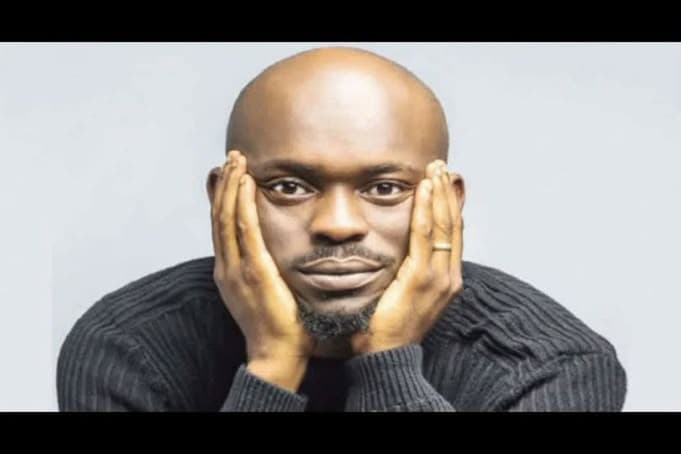
Nigerian comedian and social media personality Freedom Okpetoritse Atsepoyi, popularly known as Mr Jollof, has defended the donation of brand-new Toyota Prado sport utility vehicles (SUVs) to members of the All Progressives Congress (APC), saying the vehicles were provided by wealthy individuals who benefited from President Bola Tinubu. Mr Jollof made the remarks in a video that circulated on social media on Tuesday, October 27, 2026, following public criticism over the appearance of seven new Toyota Land Cruiser Prado SUVs reportedly intended to support the party's mobilisation activities ahead of the 2027 general elections. Punch Newspapers+1
The comedian rejected suggestions that public funds had been used to purchase the vehicles, arguing that private individuals had the right to contribute their personal resources to support a political party or candidate of their choice.
He said wealthy supporters who had benefited from the Tinubu administration were willing to finance campaign activities and provide vehicles to assist the APC's preparations for the next general election. Mr Jollof also claimed that an individual had purchased more than 20 new Toyota Hiace buses for campaign activities and had spent over ₦3 billion on buses to support election mobilisation. The claim was made by the comedian and has not been independently verified through financial records or confirmation from the alleged donor.
Punch Newspapers+1
How the Toyota Prado controversy started
The controversy began on Sunday, October 25, when APC National Youth Leader Dayo Israel shared a video on X showing seven brand-new Toyota Prado SUVs. He said the vehicles had been presented to selected youth leaders to support their election mobilisation activities ahead of the 2027 elections. In the post, Israel thanked First Lady Oluremi Tinubu for her support for the party's youth structure.
He later deleted the post after it attracted widespread reactions, with critics questioning the cost of the vehicles and the source of funding. Businessday NG+1
The First Lady subsequently confirmed that she had donated vehicles and other campaign materials to support the APC youth wing's grassroots mobilisation. Speaking during a meeting with party youth leaders at the State House in Abuja on October 26, she said the support was intended to help them reach communities and strengthen their political outreach ahead of the 2027 elections.
Premium Times Nigeria
However, questions about the precise funding arrangements remain. In an interview with the International Centre for Investigative Reporting (ICIR), Israel said the vehicles came from private donors and were not purchased through government allocations or taxpayers' money. He declined to identify the donors or provide documentation detailing the transactions.
The available reports do not independently establish the full funding trail for the vehicles. ICIR News
Mr Jollof says supporters should contribute to campaigns
In defending the vehicles, Mr Jollof argued that Nigerians who support a political candidate should be free to contribute money, vehicles and other resources towards that candidate's campaign. He said that if he had the financial capacity, he could personally donate 50 Toyota Prado SUVs or Lexus LS600 vehicles to support the APC.
He maintained that the presence of party-branded vehicles should not automatically be interpreted as evidence that public money had been diverted. The comedian also explained that although he could not afford to donate vehicles, he was supporting President Tinubu and the Delta State governor through his personal efforts. Mr Jollof accused critics of spreading what he described as misleading narratives about the donations.
He insisted that private campaign contributions were legitimate and urged Nigerians who supported political candidates to contribute according to their financial capacity. Punch Newspapers
Nigerians question the cost amid economic hardship
The controversy has generated debate across social media, with critics questioning whether the distribution of expensive SUVs is appropriate at a time when many Nigerians are struggling with high food prices, transportation costs and other living expenses. Some commentators have called for greater transparency about the source of the money used to acquire the vehicles.
Others have compared the reported expenditure with the country's needs in healthcare, education, security and public infrastructure. Former Vice-President Atiku Abubakar also called for clarification on the funding arrangements, arguing that if the vehicles were purchased privately, the source of the money should be disclosed, while any use of public funds should be properly explained. Political commentator Pat Utomi questioned whether the reported expenditure could have supported essential public services.
Businessday NG+1
The APC has defended the provision of campaign vehicles, describing them as logistical support for election mobilisation rather than personal rewards for party loyalists. The party argues that political campaigns require transportation and other resources to reach voters across the country. Premium Times Nigeria
Questions about funding remain unanswered
The reported cost of the seven SUVs has also attracted attention.
BusinessDay reported that the price of a new 2026 Toyota Prado in Nigeria could range from approximately ₦120 million to ₦160 million, depending on specifications and the dealer. However, the exact models, purchase prices and total costs associated with the vehicles have not been independently confirmed. Businessday NG+1
While the First Lady has confirmed providing vehicle support to the APC youth wing and Israel has denied the use of public funds, the identities of the donors and the complete financial details have not been made public in the reports reviewed.
The debate therefore extends beyond the vehicles themselves to questions of political financing, transparency and the responsibilities of political organisations during a period of economic difficulty. As preparations for the 2027 general elections gather momentum, the controversy highlights the importance of clear information about campaign donations and expenditure. Mr Jollof maintains that the SUVs were legitimate donations from Tinubu's beneficiaries, while critics continue to demand greater transparency about how the vehicles were funded.
The central issue remains unresolved: available reporting supports the existence of the vehicle donation and the public debate surrounding it, but does not independently establish the complete funding trail for all seven SUVs.
reference: https://punchng.com/viral-prados-are-campaign-donations-from-individuals-tinubu-made-comedian-mr-jollof/?utm_source=chatgpt.com
Subscribe To Get Updates on Our Latest Blog Post
No credit card required
0 Comments
No comments yet.
Leave Your Comment
You may also like

NaijaTalk
Subscribe