Blog Detail
NaijaTalk
|2026-08-26
Atiku Clarifies His Position on Fuel Subsidy
# Atiku Clarifies His Position on Fuel Subsidy
Former Vice President Atiku Abubakar has clarified his position on fuel subsidy removal after comments attributed to one of his media aides sparked controversy and public debate. The development has drawn attention because Atiku has previously expressed views on fuel subsidy reform and deregulation of Nigeria's petroleum sector. The controversy began after Atiku's media aide, Paul Ibe, reportedly said during an interview on African Independent Television that an Atiku administration would restore petrol subsidy if elected in 2027 but would later phase it out after the economy had recovered.
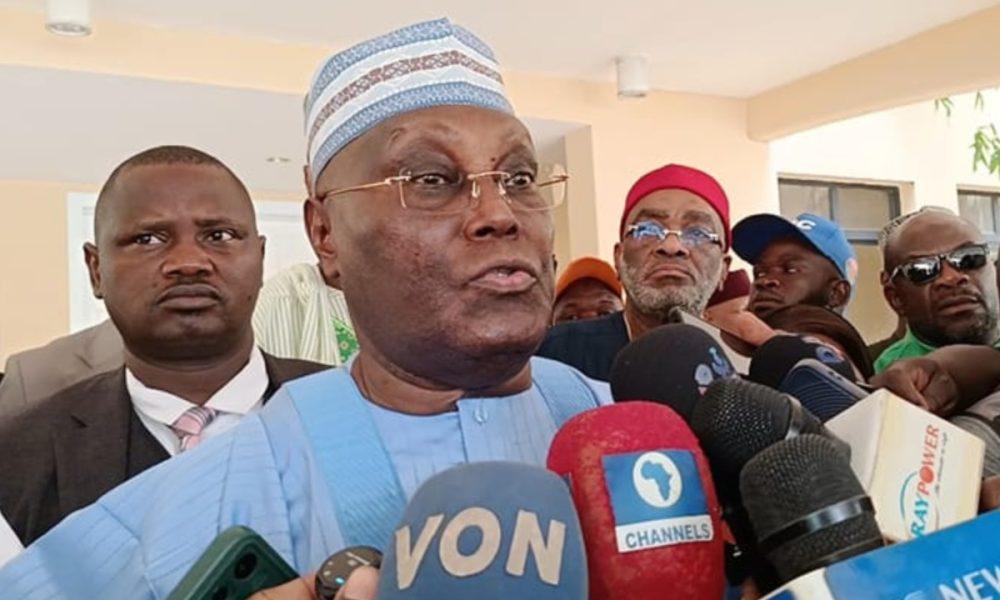
The comment generated debate because it appeared to introduce a timeline and a policy interpretation that Atiku later said did not represent his position. Atiku responded while receiving the leadership of the African Democratic Congress in Osun State and said Ibe had not spoken on his authority. He insisted that his position was clear and unchanged, saying he would restore subsidy if elected president.
Atiku subsequently explained that his proposed policy was aimed at easing the rising cost of living. He linked higher fuel prices to increases in transportation and food costs, arguing that restoring purchasing power should be a major measure of economic success. However, further clarification from his camp indicated that the proposal was not intended to revive Nigeria's former import-based subsidy system.
According to a statement issued by his Senior Special Assistant on Public Communication, Phrank Shaibu, the proposed intervention would focus on targeted and regulated support for domestic production and refining, with conditions under which government support could gradually become unnecessary. The debate has also attracted criticism from the Presidency, which has argued that Atiku's current position conflicts with his earlier support for subsidy reform. The disagreement has added fuel subsidy and the cost of living to the growing political debate ahead of the 2027 general election.
Atiku's clarification therefore appears to contain two important points. First, he insists that he supports restoring a form of fuel intervention to provide relief to Nigerians. Second, his camp says the policy should not be interpreted as a return to the former opaque import-subsidy regime, but as a targeted intervention designed to support domestic refining, reduce production and transportation costs, and improve purchasing power.
The exact design and implementation of the proposed policy would remain a major subject of political and economic debate as the 2027 election approaches. 0
reference: https://www.vanguardngr.com/2026/08/subsidy-removal-atiku-disowns-aide-says-my-position-has-not-changed/?utm_source=chatgpt.com
Subscribe To Get Updates on Our Latest Blog Post
No credit card required
0 Comments
No comments yet.
Leave Your Comment
You may also like

NaijaTalk
Subscribe