Blog Detail
NaijaTalk
|2026-08-28
Tinubu, Governors Target Lower Transport Fares From October 1
Tinubu, Governors Target Lower Transport Fares From October 1
President Bola Ahmed Tinubu and Nigeria’s state governors have agreed to work towards reducing transportation costs across the country, with the Federal Government targeting October 1, 2026, for Nigerians to begin benefiting from lower public transport fares. The proposed reduction is expected to be driven largely by the expansion of Compressed Natural Gas, known as CNG, and increased use of electric vehicles. President Tinubu announced the plan after discussions with the Nigeria Governors’ Forum in Abuja, saying the governors had resolved to take measures aimed at reducing transportation costs in their respective states.
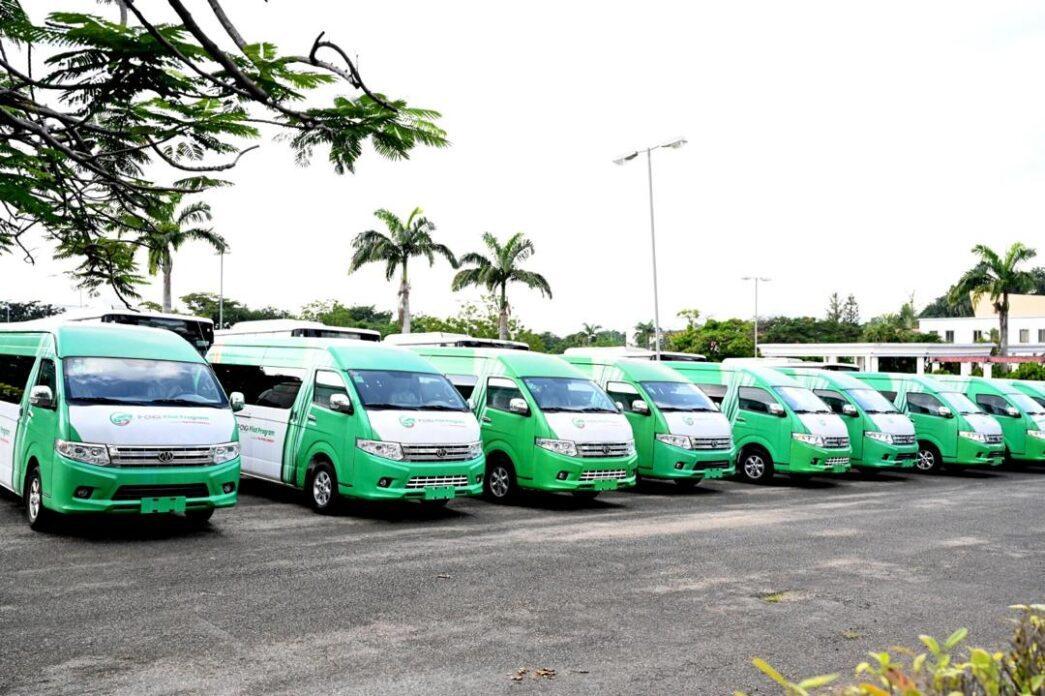
According to the President, the goal is to ensure that savings from cheaper alternative fuels are passed on to commuters rather than remaining only with vehicle operators. The initiative is linked to the proposed National Affordable CNG Transit Programme, a state-led programme designed to take advantage of the lower operating costs of CNG-powered vehicles. Under the proposal, state governments are expected to support vehicle conversions, provide or facilitate transport fleets and develop the infrastructure needed for CNG transportation.
Participating transport operators would, in turn, be expected to commit to lower passenger fares. Tinubu said the Federal Government had already made significant investments through the Presidential CNG Initiative. According to him, more than 120,000 vehicles have been converted to run on CNG nationwide, while more than 100,000 additional conversion kits are being processed or deployed.
The government is also expanding conversion centres and refuelling infrastructure across the country. The President further disclosed that the Midstream and Downstream Gas Infrastructure Fund is financing more than 100 gas projects nationwide. These include 15 CNG mother stations and 86 daughter stations.
He also said four projects were commissioned earlier in Lagos, Abuja and Owerri, including a 15-station refuelling network in Lagos and an Abuja facility with the capacity to serve about 1,000 cars and tricycles as well as 50 trucks and buses daily. As part of the infrastructure expansion, Tinubu directed the rollout of an additional 500 CNG refuelling stations nationwide. The new directive is in addition to 500 stations that had already been ordered, bringing the Federal Government’s planned total to 1,000 CNG refuelling stations across Nigeria.
A major argument behind the proposed fare reduction is the difference in fuel costs between CNG and petrol. Tinubu said vehicles running on CNG can spend between 60 and 80 per cent less on fuel than petrol-powered vehicles. The government and state authorities are now seeking to translate those savings into reduced transport fares for ordinary Nigerians.
The President placed particular emphasis on intra-state transportation, noting that this is where many Nigerians feel the burden of high transport costs most directly. Since state governments play a major role in regulating local transportation systems, the governors are expected to be central to the implementation of the proposed fare reductions in their respective states. To coordinate the process, the Federal Government and the states have agreed to establish a joint committee to begin implementing the measures immediately.
However, details such as the exact level of fare reductions, the participating transport operators and the financing arrangements for the wider programme are still expected to be worked out. The Nigeria Governors’ Forum had also indicated that aspects of the financing and implementation framework require further consideration. Bayelsa State Governor Douye Diri, speaking after the governors’ meeting, said reducing transportation costs could have wider economic benefits.
He noted that transport expenses contribute significantly to the prices of food and other goods because traders often include the cost of moving products from one location to another in their final prices. A reduction in transport costs, he argued, could therefore have a multiplier effect and help ease the financial burden on households. The announcement comes as Nigerians continue to grapple with high transportation and living costs following the removal of the petrol subsidy.
Whether commuters will see substantial reductions from October 1 will depend largely on how quickly the Federal Government, state governments and transport operators can put the proposed CNG and electric vehicle measures into effect. For now, the October 1 target represents a major promise by the Federal Government and the governors to ensure that the benefits of cheaper alternative fuel translate into lower fares for commuters across Nigeria. The success of the plan will be closely watched, particularly in major cities where daily transportation costs remain a significant burden for workers, students and businesses.
reference: https://www.tvcnews.tv/tinubu-governors-move-to-cut-transport-fares-from-october/?utm_source=chatgpt.com
Subscribe To Get Updates on Our Latest Blog Post
No credit card required
0 Comments
No comments yet.
Leave Your Comment
You may also like

NaijaTalk
Subscribe