Blog Detail
NaijaTalk
|2026-11-11
Wike Defends ₦10 Million Reward for FCT Councillors Ahead of 2027 Elections
# Wike Defends ₦10 Million Reward for FCT Councillors Ahead of 2027 Elections
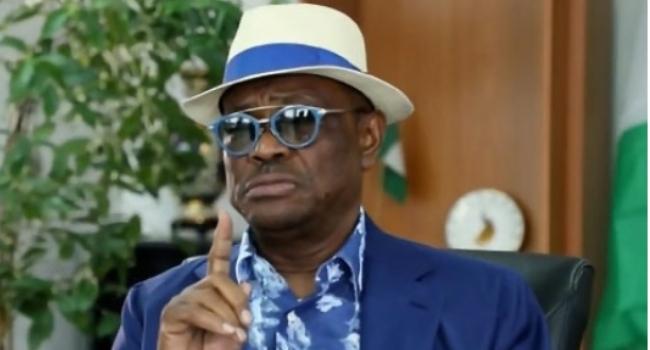
The Minister of the Federal Capital Territory (FCT), Nyesom Wike, has defended his decision to offer ₦10 million to each councillor who successfully delivers their political ward for President Bola Ahmed Tinubu and other All Progressives Congress (APC) candidates in the 2027 general elections. Wike maintained that the proposed financial reward was an incentive for hard work, political commitment and grassroots mobilisation, dismissing allegations that the arrangement amounted to vote buying or bribery. The controversy followed Wike's announcement on Monday, November 9, 2026, during a stakeholders' meeting of the Rainbow Coalition held in Kwali Area Council, Abuja.
The gathering was attended by traditional rulers, councillors, political stakeholders and other community representatives. Addressing the gathering, the minister urged councillors to mobilise residents, youth groups, community associations and political leaders in their respective wards to secure electoral support for Tinubu's re-election bid. He declared that any councillor who successfully delivers their ward for the President would receive ₦10 million as a reward.
"Any councillor that delivers his ward will get ₦10 million reward. Therefore, go and meet your leaders, go and meet your youth groups, go and consult with associations. Let's deliver our ward to Mr President," Wike said.
The announcement immediately attracted public attention, particularly because of the substantial amount involved and the connection between the proposed payment and the electoral performance of individual councillors. Speaking to journalists on Tuesday, November 10, after inspecting ongoing infrastructure projects in Abuja, Wike rejected suggestions that his promise amounted to an attempt to purchase votes. He explained that he had not instructed councillors to distribute money to voters in exchange for their support.
Rather, he said the proposed payment was intended to reward political organisers who demonstrated commitment and achieved the expected electoral results. According to the minister, there is a clear distinction between offering money to voters to influence their choices and rewarding individuals for successfully carrying out political mobilisation activities. "It is only trained journalists or reasonable persons who understand the difference between a reward and a bribe," Wike said.
He compared the arrangement to incentives offered to students who achieve outstanding academic results, explaining that parents sometimes promise houses or cars to encourage their children to work towards excellent grades. Wike also questioned why financial incentives in politics should automatically be described as bribery when similar reward arrangements are accepted in other areas of society. The minister further criticised sections of the media for what he described as misrepresenting his announcement.
He argued that political parties routinely spend substantial amounts on campaign advertisements and publicity without similar accusations of bribery. He maintained that his intention was to encourage political commitment and promote the administration's achievements rather than influence individual voters through financial inducements. Wike's position received support from the National Chairman of the APC, Nentawe Yilwatda, who also defended the proposed reward during an appearance on Channels Television's Politics Today on Monday.
Yilwatda argued that the arrangement should not be regarded as vote buying because the money would be paid after the elections, once the results had been declared and all relevant legal processes concluded. He explained that the proposed reward was directed at approximately 60 to 62 councillors in the Federal Capital Territory and was intended to motivate them to work towards achieving the party's electoral objectives. The APC chairman also argued that political parties routinely provide financial resources for mobilisation activities and questioned why Wike's proposed incentive should be treated differently.
When directly asked whether he considered the arrangement vote buying, Yilwatda rejected the suggestion, insisting that a payment made after an election could not influence how voters had already cast their ballots. The proposed reward could amount to approximately ₦620 million if all 62 councillors qualify for the payment. However, neither Wike nor the FCT administration has publicly provided details regarding the source of the funds, the specific conditions for determining successful wards or the mechanism through which the payments would be made.
Beyond the controversy surrounding the financial incentive, Wike also used the Kwali meeting to reaffirm his support for Tinubu's second-term ambition and endorse former FCT senator Philip Aduda for the Senate seat and Danladi Chiya for the Abuja South Federal Constituency. He expressed confidence in the APC's electoral prospects in several parts of the territory, particularly Kwali, Gwagwalada and Abaji, which he described as strongholds for the party ahead of the 2027 elections. The minister also defended the Rainbow Coalition, a political alliance bringing together stakeholders from different political backgrounds to support Tinubu's re-election campaign, despite his continued membership of the opposition Peoples Democratic Party (PDP).
Wike argued that political affiliation should not prevent individuals from supporting policies and programmes they believe would contribute to national development. He further highlighted infrastructure projects undertaken by the Tinubu administration in the FCT, including road construction across satellite towns, the establishment of the FCT Civil Service Commission, the appointment of an FCT Head of Service and financial autonomy for area councils. According to the minister, more than 270 kilometres of roads have been constructed across satellite communities, with approximately 95 kilometres located in Kwali.
He also indicated that several ongoing projects were approaching completion and were expected to be inaugurated in December. Wike's announcement has nevertheless raised questions about the relationship between political mobilisation, financial incentives and electoral integrity ahead of the 2027 general elections. Critics have questioned whether promising substantial payments based on electoral outcomes could create pressure on local political representatives or encourage practices that undermine the credibility of the democratic process.
The controversy also brings attention to the importance of Nigeria's electoral laws, which prohibit corrupt inducements intended to influence voting decisions or improperly secure electoral victories. Whether the proposed arrangement falls within lawful political mobilisation or violates relevant electoral provisions will depend on its actual structure, purpose and implementation. As political activities gradually intensify ahead of the 2027 elections, Wike's ₦10 million pledge has added another dimension to the growing debate over campaign financing, political alliances and the strategies being adopted by major political figures to secure grassroots support.
For now, the minister has maintained that the proposed payments are rewards for political performance and not money intended to purchase votes. However, questions surrounding the source of the funds, the conditions attached to the promise and its implications for electoral transparency remain subjects of public interest.
reference: https://www.premiumtimesng.com/news/top-news/924126-wike-defends-n10m-incentive-to-councillors-slams-critics-over-bribery-claims.html?utm_source=chatgpt.com
Subscribe To Get Updates on Our Latest Blog Post
No credit card required
0 Comments
No comments yet.
Leave Your Comment
You may also like

NaijaTalk
Subscribe